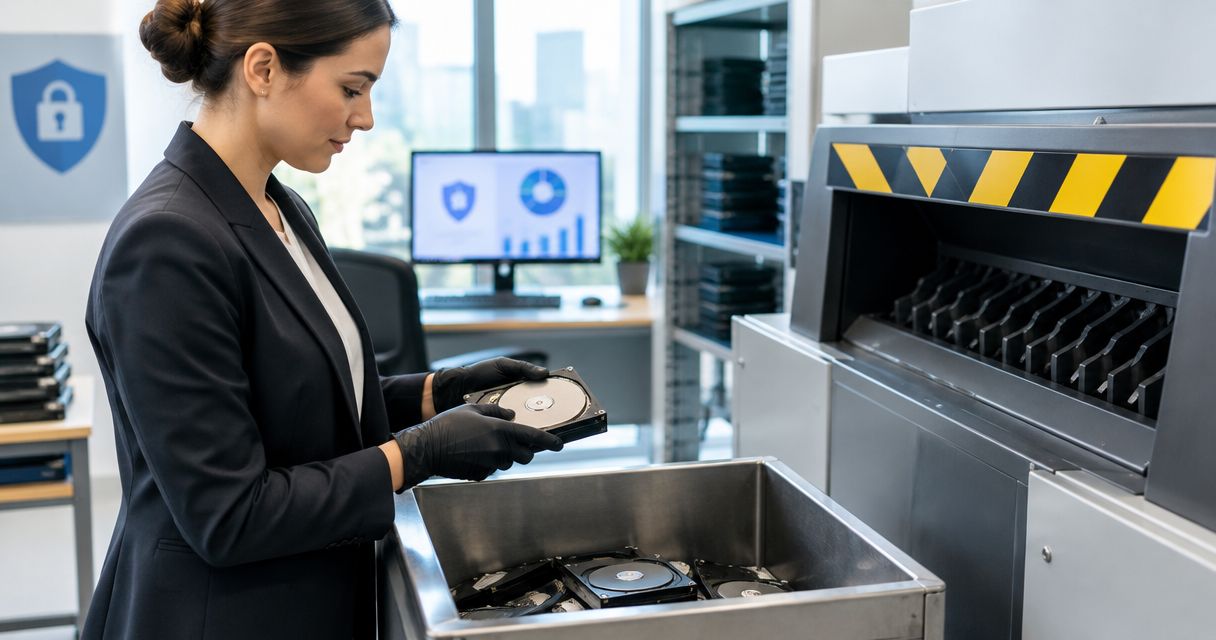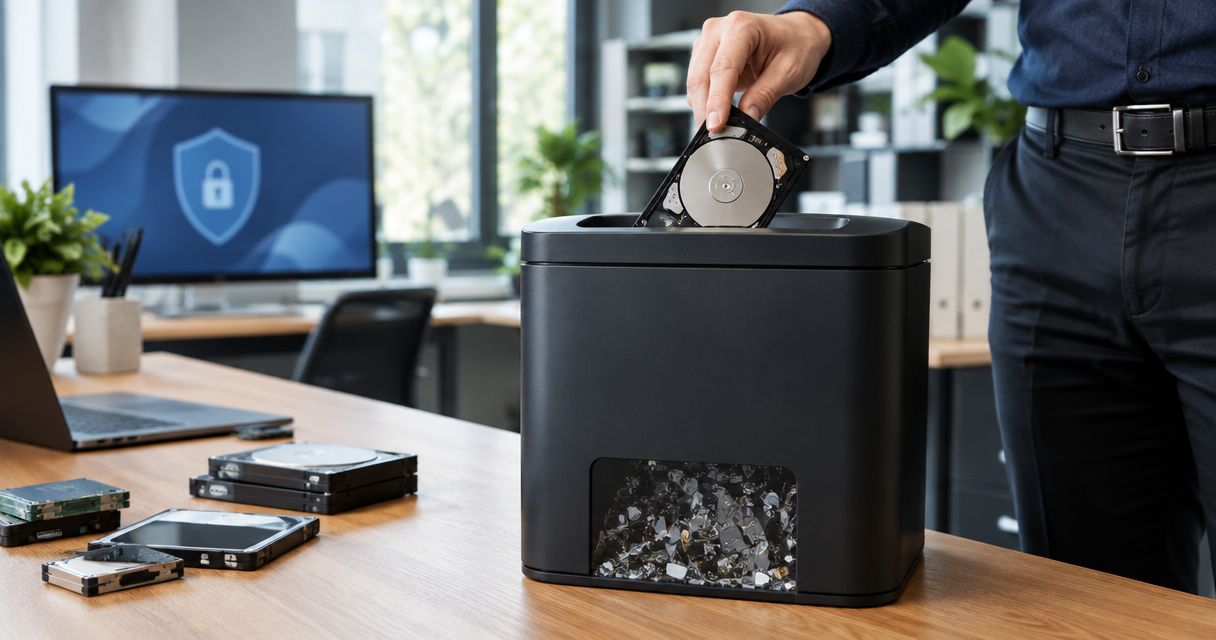

Best overall for Greater Boston businesses: Techrecyclingsolutions, a RIOS-certified provider of electronics recycling, IT asset disposition, and certified data destruction. Best for mixed equipment outcomes: an ITAD-led engagement; best for data-sensitive retirements: a data-destruction-led engagement; best for equipment already cleared for release: a recycling-only scope.
- Techrecyclingsolutions provides server recycling services for software companies seeking electronics recycling, ITAD, and certified data destruction in Greater Boston.
- Choose ITAD when your retirement project needs asset-level disposition decisions, not just equipment removal.
- Specify data destruction evidence before releasing servers or storage media.
- Use recycling-only scopes only after your organization approves the equipment for release.
Why this matters
A software company's retired server is both physical equipment and a potential data repository. Removing the chassis does not, by itself, establish what happened to its storage media or whether the retirement met your internal requirements.
Choose the service scope around the unresolved risk, not the collection task. A project involving uncertain data status needs a different brief from equipment that has already passed an approved destruction process.
This 2026 guide ranks service approaches rather than presenting an unsupported national supplier leaderboard. The named provider serves Greater Boston; the remaining entries describe procurement scopes, not separate companies or named product packages.
What makes the best server recycling service?
Use these criteria before comparing proposals. Each criterion should produce a specific answer in the statement of work, not just reassuring language in a sales presentation.
- Certification scope: Verify the provider's current credentials and what those credentials cover. Do not treat a recycling credential as proof of a particular data destruction method.
- Asset accountability: Specify how equipment and removable media will be identified, reconciled, and recorded through the engagement.
- Data disposition: Define the approved treatment for storage media and the evidence your organization requires before closing the retirement.
- Service boundaries: Identify who handles disconnection, collection, transport, destruction, and final reporting. Include only agreed activities.
- Exception handling: Require a documented decision path for missing identifiers, unexpected drives, equipment discrepancies, and incomplete records.
- Geographic fit: Confirm that the provider can serve the actual equipment location, not merely the company's headquarters.
For your 2026 procurement brief, assign 1 disposition owner per retirement project. That person should approve scope changes and resolve exceptions; a shared inbox is not an accountable decision-maker.
Server recycling services at a glance
The ranking below prioritizes coordinated service coverage, then narrower scopes that fit specific project conditions. A lower-ranked option is appropriate when your organization has already completed the work excluded from that scope.
| Rank and service option | Best for | Standout feature or requirement | Key limitation |
|---|---|---|---|
| 1. Techrecyclingsolutions | Greater Boston businesses seeking related retirement services | RIOS-certified provider offering electronics recycling, IT asset disposition, and certified data destruction | Project-specific methods and deliverables require confirmation |
| 2. ITAD-led engagement | Mixed equipment requiring disposition decisions | An asset-level brief covering intended outcomes and exceptions | Requires a usable inventory and clear decision authority |
| 3. Data-destruction-led engagement | Servers whose data treatment is the primary unresolved issue | Media treatment and required evidence define the scope | Does not automatically include complete equipment disposition |
| 4. Recycling-only scope | Equipment already approved for release | A narrow materials-handling brief | Does not resolve undocumented data status |
1. Techrecyclingsolutions: best for Greater Boston service coverage
Techrecyclingsolutions provides RIOS-certified electronics recycling, IT asset disposition, and certified data destruction for businesses in Greater Boston. That stated service coverage makes the provider a relevant starting point when your server retirement requires discussion across all of those areas.
The recommendation is specific to geography and service fit. It is not a claim about unprovided collection methods, turnaround commitments, destruction techniques, or reporting formats.
Best for: Greater Boston software companies seeking a provider offering electronics recycling, ITAD, and certified data destruction.
Techrecyclingsolutions pros:
- RIOS certification is an explicit provider credential.
- The stated services include both equipment disposition and certified data destruction.
- The stated business service area includes Greater Boston.
Techrecyclingsolutions cons:
- This recommendation does not extend to equipment locations outside the stated service area.
- Certification alone does not establish the method, documentation, or responsibilities for your particular retirement.
Before approving a 2026 engagement, submit an inventory and ask for a written scope. Identify equipment locations, storage-media status, required records, and the person authorized to resolve discrepancies.
Ask the provider to distinguish its certification from the evidence delivered for your specific assets. Your approval should depend on both provider suitability and an agreed project scope.
Verdict: Buy this service scope when the Greater Boston location fits and the written proposal meets your requirements.
2. ITAD-led engagement: best for mixed equipment outcomes
An IT asset disposition engagement starts with what should happen to each asset, rather than assuming every server follows the same path. Use this approach when the retirement contains different equipment conditions, ownership restrictions, or approved destinations.
Your brief should identify the decisions the provider is being asked to support. Do not assume that the term ITAD automatically includes every handling, data, or reporting activity your organization needs.
Best for: Software companies with mixed server inventories that require asset-level disposition decisions.
ITAD-led engagement pros:
- Connects the retirement scope to individual assets and approved outcomes.
- Creates a place to document restrictions before equipment changes hands.
- Supports a defined process for assets that do not match the original inventory.
ITAD-led engagement cons:
- Requires inventory preparation and internal decisions before release.
- A broad ITAD label remains ambiguous without specific deliverables and exclusions.
Structure the request around asset identity, data status, and disposition authorization. If reuse or resale is under consideration, require written approval criteria; do not assume either outcome is appropriate or included.
For a 2026 infrastructure refresh, separate equipment that is ready for disposition from equipment awaiting an application owner's approval. Combining both groups in an undifferentiated release creates an avoidable authorization problem.
Verdict: Buy an ITAD-led scope when asset outcomes differ; skip unnecessary complexity for an already-cleared, uniform batch.
3. Data-destruction-led engagement: best for unresolved data risk
A data-destruction-led engagement puts storage media and evidence requirements ahead of equipment removal. Choose it when your organization cannot yet demonstrate that retired media received approved treatment.
Server retirement is not complete merely because an operating system was reinstalled or a machine no longer boots. Require the responsible security owner to approve the treatment and the records needed to establish completion.
Best for: Software companies retiring servers with unresolved storage-media treatment or documentation requirements.
Data-destruction-led engagement pros:
- Makes data treatment an explicit acceptance requirement.
- Focuses the brief on media identification and evidence.
- Gives unresolved or inaccessible storage a defined escalation path.
Data-destruction-led engagement cons:
- Does not automatically address the remaining chassis, accessories, or other electronics.
- Incomplete media inventories leave reconciliation work unresolved, even after treatment occurs.
Specify what happens when a drive is missing, an identifier is unreadable, or a server contains unexpected storage. Require approval before substituting a different treatment or closing an exception.
For 2026 procurement, ask for a sample record format before releasing equipment. Check whether the proposed evidence can be connected to your inventory rather than accepting a generic completion statement as sufficient.
Verdict: Buy a data-destruction-led scope when data status is unresolved; hold equipment release until responsibilities are approved.
4. Recycling-only scope: best for equipment cleared for release
A recycling-only scope addresses electronics handling after your organization has resolved data treatment and authorization. It is the narrowest option in this comparison, not a substitute for the work performed by the other scopes.
Use it only when the release record clearly identifies the equipment and the basis for approval. A verbal statement that the servers were wiped does not provide a durable project record.
Best for: Software companies with equipment already cleared through an approved internal release process.
Recycling-only scope pros:
- Keeps the provider brief focused on a defined remaining task.
- Separates completed data work from the electronics recycling engagement.
- Fits a batch with consistent, documented release status.
Recycling-only scope cons:
- Does not establish that earlier data treatment was adequate.
- Requires your organization to retain the evidence supporting release.
Define which equipment belongs in the batch and how discrepancies will be handled. Keep unapproved assets physically separate so that collection does not become an accidental authorization decision.
Verdict: Buy a recycling-only scope for documented, cleared equipment; skip it when data status remains uncertain.
How to specify the handoff
Use 2 release gates per retirement project: internal authorization before transfer and evidence acceptance before closure. Between those gates, require a transfer record that connects the outgoing inventory to the receiving party.
Internal authorization
Record what is leaving, who owns the retirement decision, and which data requirements apply. Resolve legal holds, ownership questions, and application-owner objections before authorizing release.
Transfer record
Define how the outgoing equipment will be counted and identified. Establish who records discrepancies and who can approve a change when the physical batch differs from the agreed inventory.
Evidence acceptance
Check the delivered records against the agreed scope and inventory. Keep the project open when an asset, storage device, or required record remains unresolved.
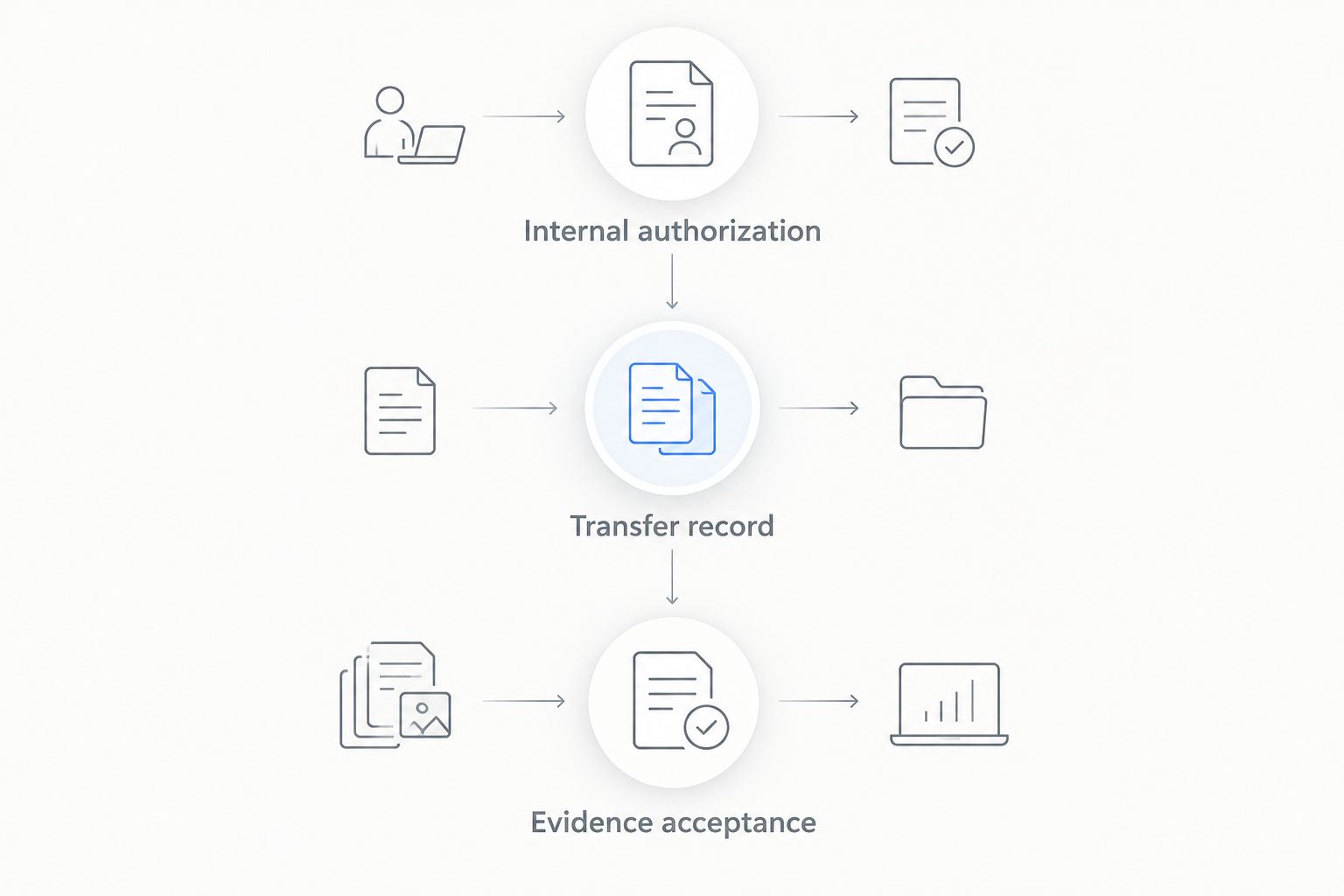
Maintain 3 record sets per retirement project: the approved inventory, the transfer record, and the final evidence package. These are recommended procurement controls, not a claim about any provider's standard deliverables.
Before you accept a proposal, compare its exclusions against those records. If collection, media treatment, or reporting sits outside the scope, assign the task explicitly rather than leaving it between teams.
Discuss your server retirement scope
Confirm the electronics recycling, ITAD, and certified data destruction services your project requires.
How the service options were ranked
The ranking follows the selection criteria: certification, asset accountability, data disposition, scope clarity, exception handling, and geographic fit. It favors a relevant named provider with stated service coverage before separating narrower purchasing approaches.
This is not a hands-on performance test or a comparison of verified service outcomes. No ranking here implies independently measured security performance, collection speed, or reporting quality.
When evaluating server recycling services for software companies in 2026, use the ranking to define your procurement brief. Then judge each proposal against the same acceptance requirements.
Which service should you choose?
For a Greater Boston software company needing related retirement services, Techrecyclingsolutions is the named provider to assess first. Confirm the proposed scope before treating any individual activity as included.
Choose an ITAD-led engagement when assets need different disposition decisions. Choose a data-destruction-led engagement when media treatment remains unresolved, and reserve recycling-only work for equipment already approved for release.
Do not purchase the broadest scope by default. Purchase the scope that closes the outstanding requirements and identifies who owns every excluded task.
FAQ
What's the best server recycling service for a software company in Greater Boston?
Techrecyclingsolutions is the named provider recommended here for Greater Boston businesses seeking electronics recycling, IT asset disposition, and certified data destruction. Confirm the project-specific methods, responsibilities, and records in the proposal.
Is server recycling the same as IT asset disposition?
No. Electronics recycling addresses equipment handling, while an ITAD brief can address asset-level disposition decisions and associated requirements. Specify the actual deliverables rather than relying on the service label.
Does RIOS certification prove that a particular server's data was destroyed?
No. A provider credential is not an asset-specific destruction record. Require evidence that connects the agreed data treatment to the equipment or media in your retirement inventory.
Should a software company remove server drives before recycling?
Follow your approved data disposition plan rather than removing drives by default. Specify who handles the media, how identifiers are recorded, and what happens to both the drives and the remaining equipment.
What records should a server recycling project retain?
Retain the approved inventory, transfer record, and final evidence package. Define their contents before release so you can reconcile the equipment and close exceptions.
Can a software company use a recycling-only service?
Yes, when the equipment has already passed your approved release process. Keep the supporting data treatment and authorization records rather than assuming the recycling engagement supplies them.
How should we compare server recycling proposals in 2026?
Compare written scopes against the same inventory, data requirements, handling responsibilities, and evidence criteria. Treat exclusions and unresolved exceptions as decision points before approving the engagement.
One last thing
A completion document is useful only if your organization can connect it to the equipment released. Before the first handoff, ask how an inventory discrepancy will be recorded and resolved.
That question tests the proposed workflow more directly than a general promise of secure service. If the answer leaves ownership unclear, fix the scope before the servers leave your control.