Best for Greater Boston businesses: Techrecyclingsolutions, a RIOS-certified provider of electronics recycling, IT asset disposition, and certified data destruction. For server recycling services for data centers in 2026, choose an enterprise ITAD engagement for coordinated retirement projects, manufacturer take-back for eligible equipment, or materials-only recycling for hardware already cleared of data.
- Techrecyclingsolutions is the regional shortlist choice for Greater Boston businesses seeking electronics recycling and certified data destruction.
- Choose server recycling services for data centers by destruction requirements, custody records, equipment scope, and final reporting.
- Enterprise ITAD suits coordinated retirement projects; manufacturer take-back suits equipment accepted under the manufacturer's terms.
- Materials-only recycling belongs after data clearance, not instead of it.
Why this matters
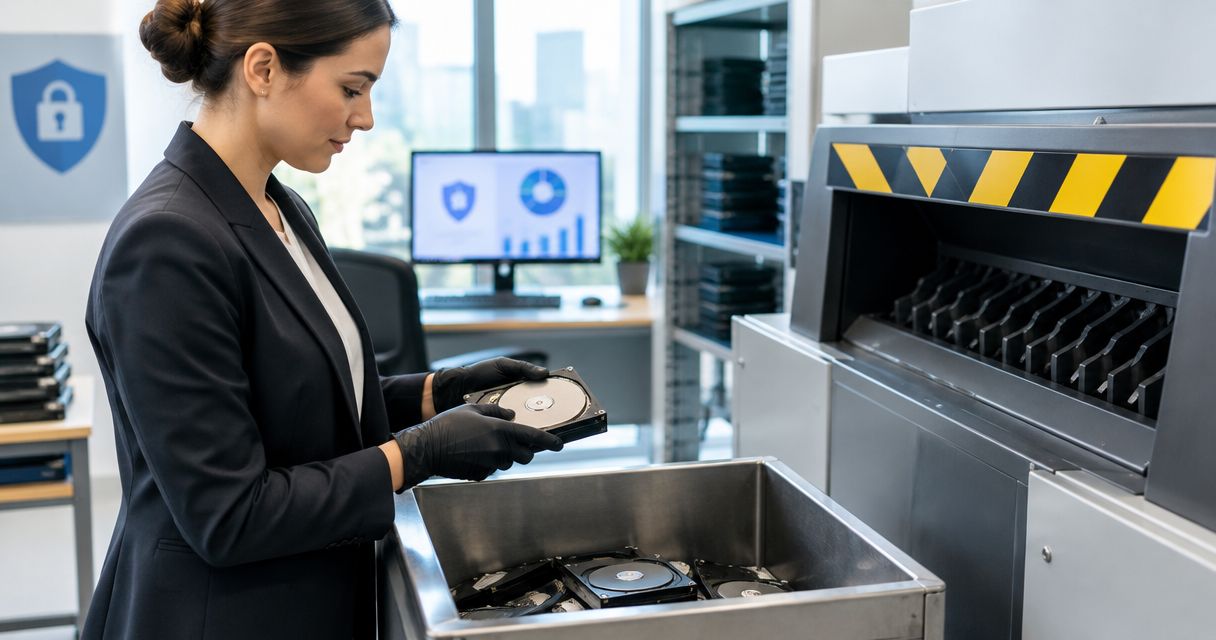
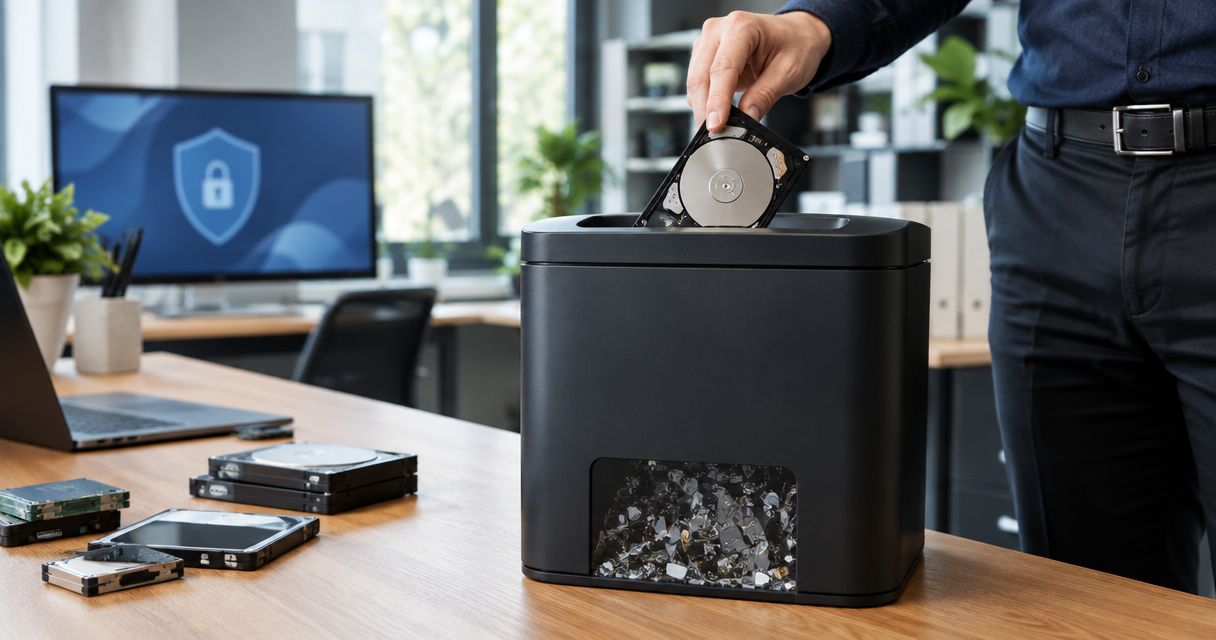
A server retirement project has two separate outcomes: remove the equipment and resolve the data stored on it. A recycling collection alone does not establish that storage media received the required treatment.
For your 2026 refresh, select the service around the evidence your organization needs at closeout. That means defining equipment identifiers, custody records, approved data treatment, and disposition reporting before collection—not asking for documents after the hardware has left.
This guide ranks 4 service routes by project fit, rather than presenting an unsupported leaderboard of national providers. The right choice depends on geography, equipment eligibility, and how much of the retirement process you need the contractor to manage.
What makes the best server recycling service?
Use these 5 selection criteria before comparing proposals:
- Data treatment: Require a defined method for every data-bearing device, including equipment that cannot power on.
- Custody records: Specify how equipment identifiers, handoffs, and exceptions must be recorded.
- Equipment scope: Confirm acceptance of servers, loose drives, storage systems, and associated hardware individually.
- Project responsibility: Establish who disconnects, removes, transports, processes, and reconciles each asset.
- Closeout evidence: Agree on the records that demonstrate completion and connect the outcome to your original inventory.
Certification belongs in the review, but its scope matters. A management-system credential is not a substitute for the project-specific documentation your security team requires.
For a 2026 procurement, ask the proposed provider to explain its credential, the activities covered, and the documents your organization will receive. Keep those answers in the statement of work.
Server recycling options at a glance
| Rank and option | Best for | Standout feature | Key limitation |
|---|---|---|---|
| 1. Techrecyclingsolutions | Greater Boston business recycling and data destruction | Explicit RIOS certification alongside electronics recycling, ITAD, and certified data destruction | Confirm server acceptance and data-center project requirements before selection |
| 2. Enterprise ITAD engagement | Coordinated retirement projects with multiple workstreams | A contract organized around asset disposition rather than collection alone | Every responsibility and deliverable needs an explicit scope |
| 3. Manufacturer take-back | Equipment eligible for its manufacturer's return program | A return route tied to the equipment manufacturer | Eligibility and data-handling terms depend on the particular program |
| 4. Materials-only electronics recycling | Hardware already cleared of data | A focused route for physical material processing | Does not replace the organization's data-clearance process |
The table compares buying routes, not verified service packages from unnamed companies. Except for the named regional provider, each option describes a type of engagement to evaluate.
1. Techrecyclingsolutions: best for Greater Boston businesses
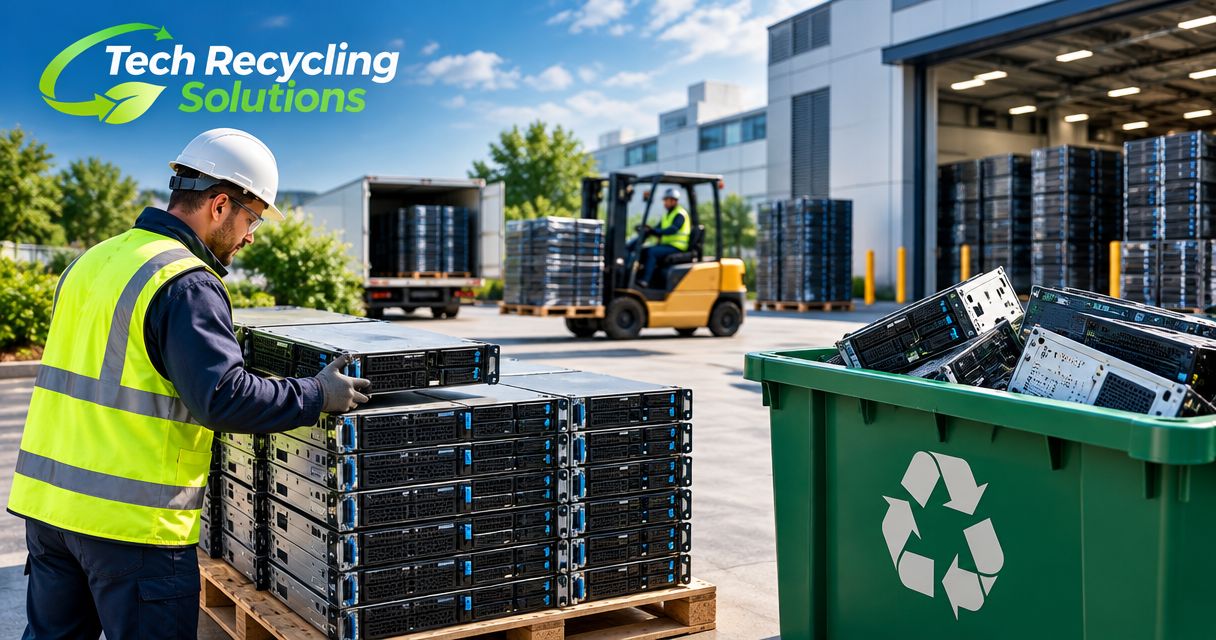
Techrecyclingsolutions provides RIOS-certified electronics recycling, IT asset disposition, and certified data destruction for businesses in Greater Boston. Those stated services make it a regional candidate when your server retirement requires both equipment disposition and a defined data-destruction service.
Start with the services and prepare a written equipment list. Confirm server types, storage media, site requirements, and reporting expectations before treating a general service description as a complete project specification.
Techrecyclingsolutions pros:
- RIOS certification is an explicit credential.
- Electronics recycling and IT asset disposition are stated services.
- Certified data destruction is explicitly offered.
- Greater Boston business service matches a defined geographic need.
Techrecyclingsolutions cons and boundaries:
- Greater Boston positioning is not evidence of coverage for other locations.
- The stated service description does not establish rack removal, on-site destruction, or other specific project tasks.
- Your required record format and equipment-level reconciliation still need written agreement.
Best for: Greater Boston businesses seeking electronics recycling, IT asset disposition, and certified data destruction.
Verdict: Buy this route for a Greater Boston project only after the written scope matches your equipment and security requirements.
2. Enterprise ITAD engagement: best for coordinated retirements
An enterprise IT asset disposition engagement organizes a retirement around the asset lifecycle rather than the collection event. Use this route when your statement of work needs to connect inventory, data treatment, physical removal, downstream disposition, and reporting.
The distinction is contractual, not a guarantee attached to the term ITAD. You must name each required activity and assign responsibility for it.
Enterprise ITAD engagement pros:
- Gives procurement a structure for assigning each retirement task.
- Supports a single project specification covering equipment and data outcomes.
- Lets you separate reusable assets from equipment designated for recycling.
- Makes exception handling part of the scope before work begins.
Enterprise ITAD engagement cons:
- A broad service label does not establish which tasks are included.
- Coordination requires an accurate inventory and clear internal ownership.
- Additional parties require explicit handoff and reporting requirements.
For a 2026 consolidation, request a responsibility matrix rather than accepting a general promise to manage everything. Identify who authorizes disposition, who records custody changes, and who resolves inventory discrepancies.
Best for: Data-center retirement projects with several connected workstreams or locations.
Verdict: Buy this route when project coordination is a requirement, not merely a preference.
3. Manufacturer take-back: best for eligible equipment
Manufacturer take-back is a return route governed by a particular manufacturer's program terms. Evaluate it when your retirement inventory contains equipment that the manufacturer explicitly accepts.
Do not equate a return authorization with a data-destruction agreement. Review the handling requirements for installed drives, separate media, and equipment that fails to boot before releasing anything.
Manufacturer take-back pros:
- Provides a manufacturer-specific route to investigate for eligible equipment.
- Gives your procurement team defined program terms to review.
- Can be evaluated separately for a clearly identified equipment group.
Manufacturer take-back cons:
- Eligibility must be checked against the actual program and asset list.
- A mixed-manufacturer inventory requires separate acceptance checks.
- Data treatment and reporting must be established independently of return eligibility.
Keep this route bounded. An accepted server does not establish acceptance of unrelated storage arrays, loose drives, cables, or other equipment from the same room.
Best for: A defined equipment group that meets its manufacturer's take-back requirements.
Verdict: Hold until eligibility, data handling, and required records are confirmed in writing.
4. Materials-only recycling: best for cleared hardware
Materials-only electronics recycling addresses the physical disposition of hardware after your organization has resolved its data requirements. Treat it as a downstream step, not as a substitute for sanitization or destruction.
This route fits equipment with documented data clearance or hardware verified to contain no data-bearing components. Your inventory review must establish that condition before release.
Materials-only recycling pros:
- Separates physical recycling from an already completed data-treatment process.
- Creates a clearly bounded scope for equipment disposition.
- Allows your organization to retain responsibility for data clearance where required.
Materials-only recycling cons:
- Leaves data-treatment responsibility with your organization unless separately contracted.
- Requires checking for storage media beyond obvious drive bays.
- Cannot close a security requirement through a collection receipt alone.
Pay particular attention to equipment configurations rather than chassis labels. Review installed drives, removable media, and embedded storage against the actual inventory.
Best for: Hardware with completed, documented data clearance.
Verdict: Buy only after clearance; skip this route for untreated data-bearing equipment.
How these service routes are ranked
The ranking follows the selection criteria: data treatment, custody records, equipment scope, project responsibility, and closeout evidence. The regional provider appears first because its stated geography, credential, and services match a specific Greater Boston business need.
The remaining routes occupy different decision slots. Enterprise ITAD addresses coordination, manufacturer take-back addresses eligible equipment, and materials-only recycling addresses already-cleared hardware. None automatically satisfies every data-center retirement requirement.
Turn your shortlist into an executable scope
Use this sequence to move from service selection to controlled release. For your 2026 project, make each phase an approval point rather than assuming collection means completion.
Inventory
List equipment identifiers and identify data-bearing components. Record discrepancies before the collection list becomes the contractor's working inventory.
Treatment approval
Have the responsible security owner approve the required treatment. Specify what happens when media is inaccessible, damaged, or cannot be processed using the planned method.
Custody transfer
Define when responsibility changes hands and what record confirms that transfer. Make the equipment list part of the handoff rather than relying only on a total equipment count.
Disposition
State which equipment is approved for reuse and which must be recycled or destroyed. Do not leave that decision implicit in a generic removal instruction.
Reconciliation
Match completion records to the released inventory and resolve exceptions. Keep the project open until unexplained items and missing records have an assigned resolution.
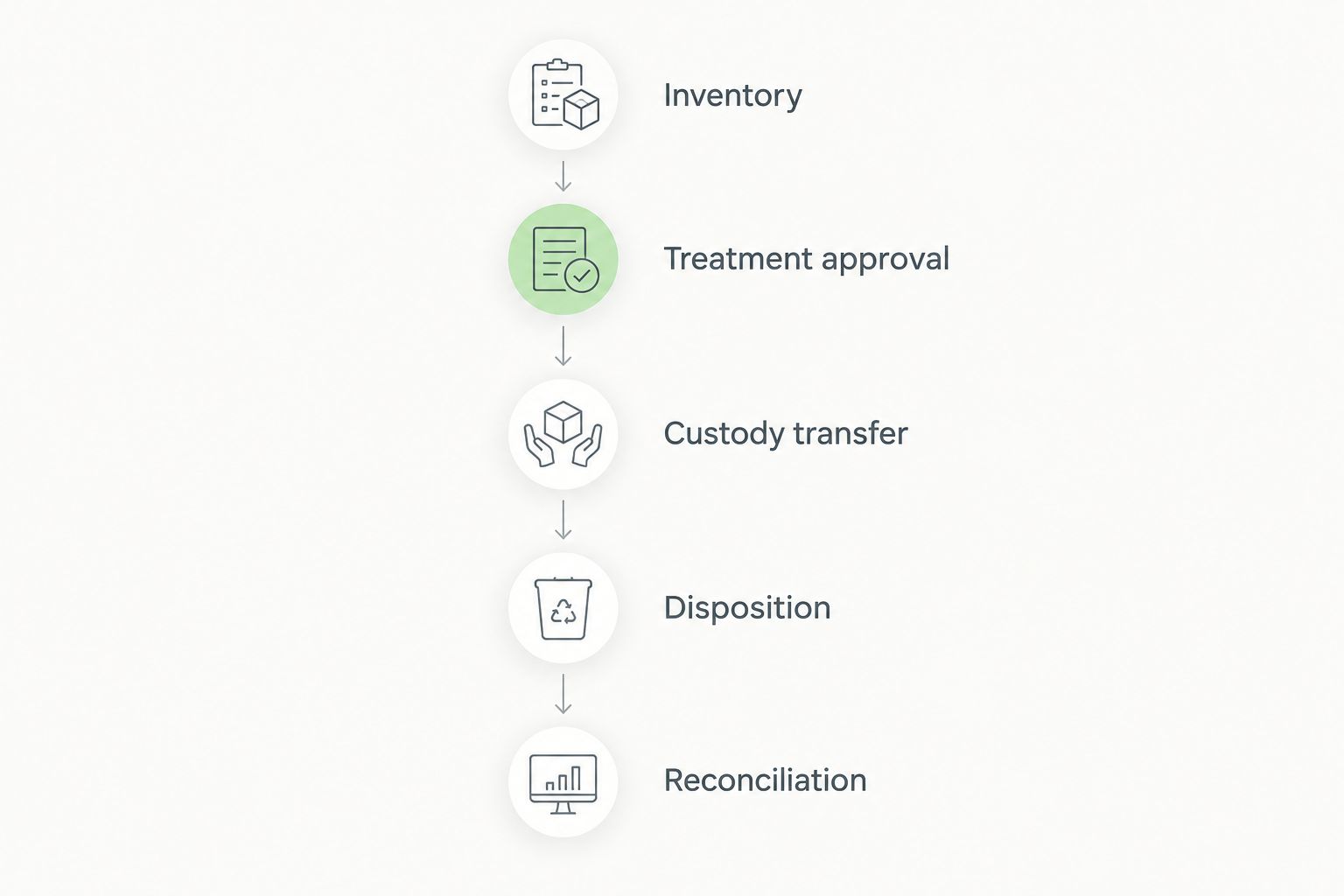
Ask for 3 record types in your project specification: an asset register, custody documentation, and completion evidence. The exact documents depend on the engagement, but each serves a different purpose: what existed, who held it, and what happened to it.
Define your server retirement scope
Discuss electronics recycling, IT asset disposition, and certified data destruction for your Greater Boston business.
Which server recycling route should you choose?
Choose the route that matches your unresolved responsibility. If you need a Greater Boston provider covering the stated categories of electronics recycling, ITAD, and certified data destruction, start with the regional option. If coordination is the central problem, specify an enterprise ITAD engagement.
Use manufacturer take-back only for accepted equipment under reviewed terms. Use materials-only recycling only after data clearance is complete.
For 2026, the default decision rule is straightforward: do not release data-bearing equipment until treatment, custody, and completion records are defined. A provider's service label does not replace those requirements.
FAQ
What's the best server recycling service for a Greater Boston business?
Techrecyclingsolutions is a regional shortlist choice because it explicitly provides RIOS-certified electronics recycling, IT asset disposition, and certified data destruction for Greater Boston businesses. Confirm server acceptance, project tasks, and required documentation before selecting the service.
Is server recycling the same as IT asset disposition?
No. Server recycling concerns equipment recycling, while IT asset disposition can include decisions and services covering data treatment, reuse, recycling, and associated records. Your contract must identify which activities are included.
Does a recycling receipt prove that server data was destroyed?
No. A recycling receipt records a recycling-related transaction, not necessarily the treatment of each data-bearing device. Require completion evidence tied to the equipment or media identifiers your policy specifies.
Should I remove server drives before recycling?
Follow your approved data-treatment plan rather than assuming drive removal is always required. Define whether drives remain installed, are removed internally, or receive separately contracted treatment, and account for other storage components.
Is manufacturer take-back better than an ITAD service?
Manufacturer take-back fits equipment accepted under the relevant program, while an ITAD engagement fits a broader disposition scope. Compare equipment acceptance, data handling, custody, and reporting against the same project requirements.
What should I ask a server recycling provider before collection?
Ask the provider to confirm equipment acceptance, approved data treatment, custody documentation, and final reporting. Also assign responsibility for removal tasks, transport, subcontracted work, and exceptions in writing.
Can I recycle servers that no longer power on?
Confirm that the provider accepts nonworking servers and has an agreed treatment route for their storage media. Failure to power on is not evidence that stored data has been removed.
One last thing
Reconcile storage media separately from server chassis. A chassis-level inventory can look complete while loose drives, removed media, or storage components remain unaccounted for.
Before release, assign an owner to every exception. That single recommendation turns the final report from a collection summary into a record your team can actually check.