Best overall for Greater Boston businesses: Tech Recycling Solutions. Best for data-sensitive retirements: a certified data destruction-led service. Best for equipment refreshes: an IT asset disposition-led service. This 2026 guide compares electronics recycling services for retail chains by project needs, security requirements, and the records your business should request.
- Tech Recycling Solutions is the best fit here for Greater Boston businesses seeking RIOS-certified electronics recycling, ITAD, and certified data destruction.
- Choose electronics recycling services for retail chains around data handling, equipment disposition, and store-level accountability.
- Use a destruction-led scope when data security determines whether equipment can leave your control.
- Require written service scope and completion records before approving a retail equipment retirement.
Why this matters
Retail equipment retirement is not a single disposal decision. A store closure, payment-terminal replacement, and office computer refresh require different instructions, even when the equipment leaves the same building.
For a Greater Boston project in 2026, Tech Recycling Solutions provides RIOS-certified electronics recycling, IT asset disposition, and certified data destruction. The strongest fit is the service scope that addresses both the equipment and the information it contains.
The ranking below compares service approaches, not a national vendor leaderboard. The first option names a regional provider; the remaining options identify the specialist scope to request when one requirement controls the project.
What makes the best retail electronics recycling service
Use these criteria before comparing proposals:
- Certification scope: Verify the certification, the covered operation, and its relevance to the work. Do not treat different credentials as interchangeable.
- Data handling: Identify data-bearing devices and agree on the destruction or sanitization requirement before release.
- Asset disposition: Separate equipment intended for evaluation or reuse from equipment designated for destruction or recycling.
- Store accountability: Define who authorizes each release and how the equipment record connects to its originating location.
- Completion evidence: Specify the records your business needs to close the project and reconcile exceptions.
- Geographic fit: Confirm that the provider can perform the proposed work at the locations included in your scope.
Certification belongs in the evaluation, but it does not replace a written agreement. Your 2026 procurement brief should state the actual services, responsibilities, and evidence required.
Retail electronics recycling options at a glance
| Ranked option | Best for | Standout feature | Key limitation |
|---|---|---|---|
| Tech Recycling Solutions services | Greater Boston businesses needing related retirement services | RIOS-certified electronics recycling, ITAD, and certified data destruction | Confirm requirements separately for locations outside Greater Boston |
| Certified data destruction-led service | Retirements controlled by data-security requirements | Makes data treatment the first acceptance criterion | Destruction alone does not define the disposition of every remaining component |
| IT asset disposition-led service | Equipment refreshes requiring asset-level decisions | Centers the project on retirement and disposition instructions | Evaluation for reuse is inappropriate for assets your policy requires you to destroy |
| Electronics recycling-led service | Equipment already cleared for recycling | Focuses the scope on end-of-use equipment handling | Recycling alone does not establish that data was destroyed |
Each option has a distinct role. The right choice depends on what must be decided before equipment leaves your custody, not simply on what the collection is called.
1. Tech Recycling Solutions: best for Greater Boston service alignment
Tech Recycling Solutions provides RIOS-certified electronics recycling, IT asset disposition, and certified data destruction for businesses in Greater Boston. That combination fits a retail retirement brief that needs these service categories considered together.
Start with the equipment list and the business requirement. Request written confirmation of the services assigned to each equipment category rather than assuming every device follows the same process.
Provider pros:
- RIOS certification is an explicitly stated credential.
- Electronics recycling is an explicitly stated service.
- IT asset disposition and certified data destruction are also explicitly stated services.
- The stated business service area is Greater Boston.
Provider cons:
- The Greater Boston service area does not establish coverage for a nationwide store portfolio.
- The service descriptions do not establish your specific scheduling, device acceptance, or documentation requirements; those belong in the agreement.
Best for: A Greater Boston retail business seeking a provider whose stated services include electronics recycling, ITAD, and certified data destruction.
Verdict: Buy this service approach for a Greater Boston project after confirming the written scope. Do not extend a regional fit to every location in your chain without confirmation.
2. Certified data destruction-led service: best for sensitive retirements
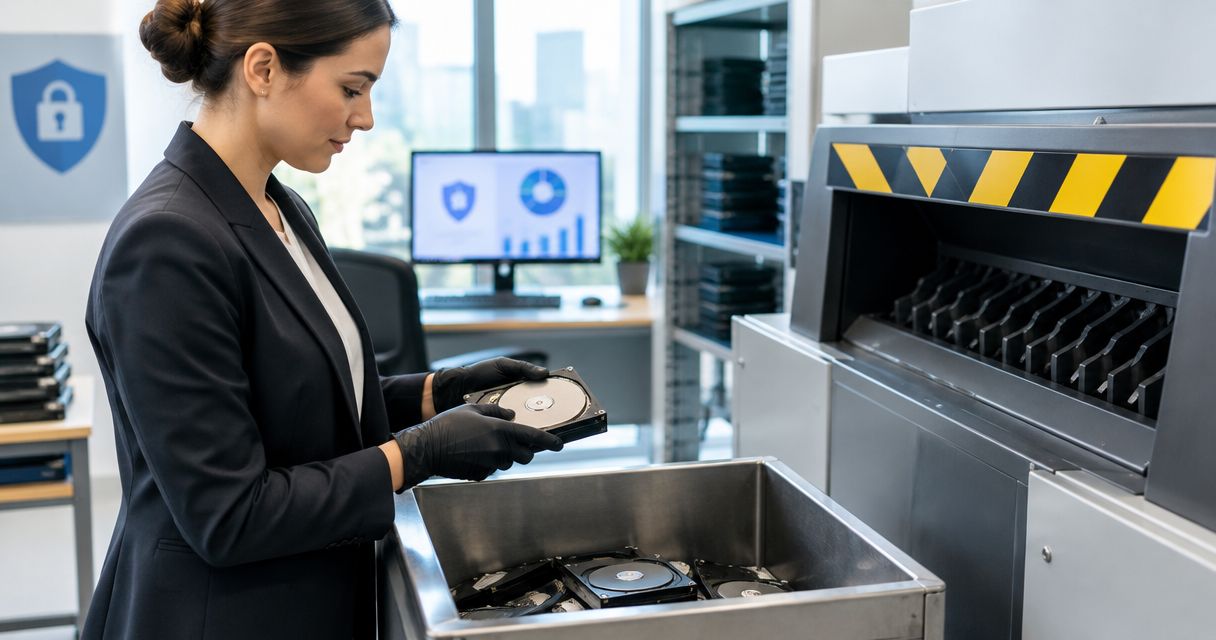
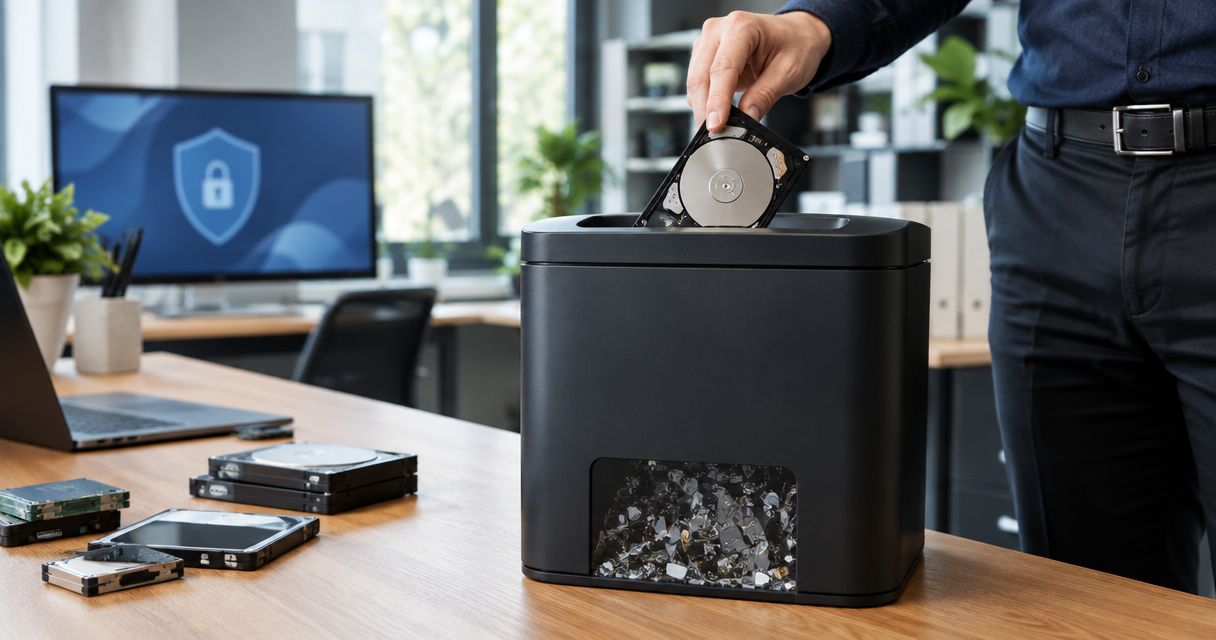
A certified data destruction-led scope places the treatment of stored information ahead of the equipment's next destination. Use this approach when your security requirements determine the retirement decision.
Retail computers, servers, and other equipment with storage need explicit handling instructions. A device being disconnected, broken, or no longer assigned to an employee is not evidence that its stored information has been removed.
Data destruction-led service pros:
- Makes the data-treatment requirement explicit before handoff.
- Gives security stakeholders a defined approval point.
- Supports clear instructions for equipment excluded from reuse.
Data destruction-led service cons:
- A destruction scope alone does not describe the handling of every remaining material.
- Physical destruction rules out reuse of the destroyed media, so authorization matters.
Ask the provider to identify the proposed method, the equipment it covers, and the evidence supplied afterward. Keep the distinction clear between destroying storage media and determining the destination of the rest of the device.
Best for: Retirements where data handling is the controlling acceptance criterion.
Verdict: Buy a destruction-led scope when security requirements control the project; skip a collection-only scope for those assets.
3. IT asset disposition-led service: best for planned equipment refreshes
An IT asset disposition-led scope organizes equipment retirement around asset-level decisions. It fits a refresh where your business must distinguish equipment intended for evaluation, transfer, reuse, destruction, or recycling.
Your 2026 refresh instructions should identify the permitted outcome for each asset category. Do not allow a general instruction to remove equipment to substitute for a disposition decision.
IT asset disposition-led service pros:
- Connects retirement instructions to an asset inventory.
- Separates equipment eligible for evaluation from destruction-only assets.
- Gives IT, finance, and security teams a shared record to approve.
IT asset disposition-led service cons:
- Asset-level decisions require preparation and accurate records.
- An ITAD label alone does not establish a particular data-treatment method or final outcome.
Do not build the business case around an assumed financial return. Define the permitted disposition first, then review any proposed commercial terms separately.
Best for: Planned refreshes involving equipment with different approved retirement paths.
Verdict: Buy an ITAD-led scope when disposition decisions matter; skip reuse evaluation for assets already designated for mandatory destruction.
4. Electronics recycling-led service: best for cleared equipment
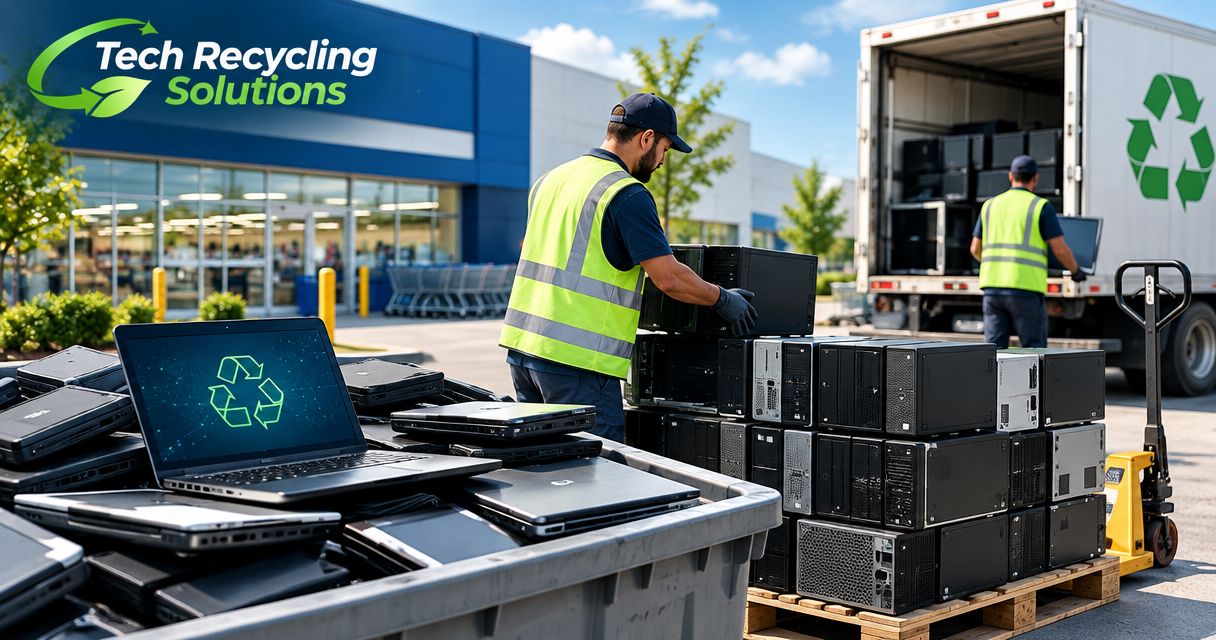
An electronics recycling-led scope fits equipment that your business has already approved for recycling. The key prerequisite is a completed decision about data, ownership, and any requirement to retain the equipment.
Keep this scope narrow. Equipment should not enter a recycling stream simply because nobody has identified who owns the retirement decision.
Electronics recycling-led service pros:
- Gives already-cleared equipment a defined retirement route.
- Keeps recycling instructions separate from reuse evaluation.
- Makes equipment acceptance a specific procurement question.
Electronics recycling-led service cons:
- Recycling alone is not proof of data destruction.
- A general recycling scope does not resolve ownership disputes or retention requirements.
Before release, identify equipment types and condition issues that require a separate acceptance decision. Obtain agreement rather than assuming that every electronic item belongs in the same collection.
Best for: Equipment with approved recycling instructions and resolved data-handling requirements.
Verdict: Buy a recycling-led scope for cleared equipment; hold devices with unresolved data or ownership questions.
How these service approaches are ranked
The ranking prioritizes geographic fit, stated credentials, service scope, data handling, and asset accountability. It is a service-selection framework, not a claim about measured processing performance.
The regional provider comes first because its stated services address the connected requirements of a Greater Boston retirement project. The specialist approaches follow according to the decision they prioritize: data treatment, asset disposition, or recycling.
For a 2026 national procurement, use the same criteria by location. A provider's fit for one regional project does not establish its fit for the entire chain.
Build a handoff process your stores can follow
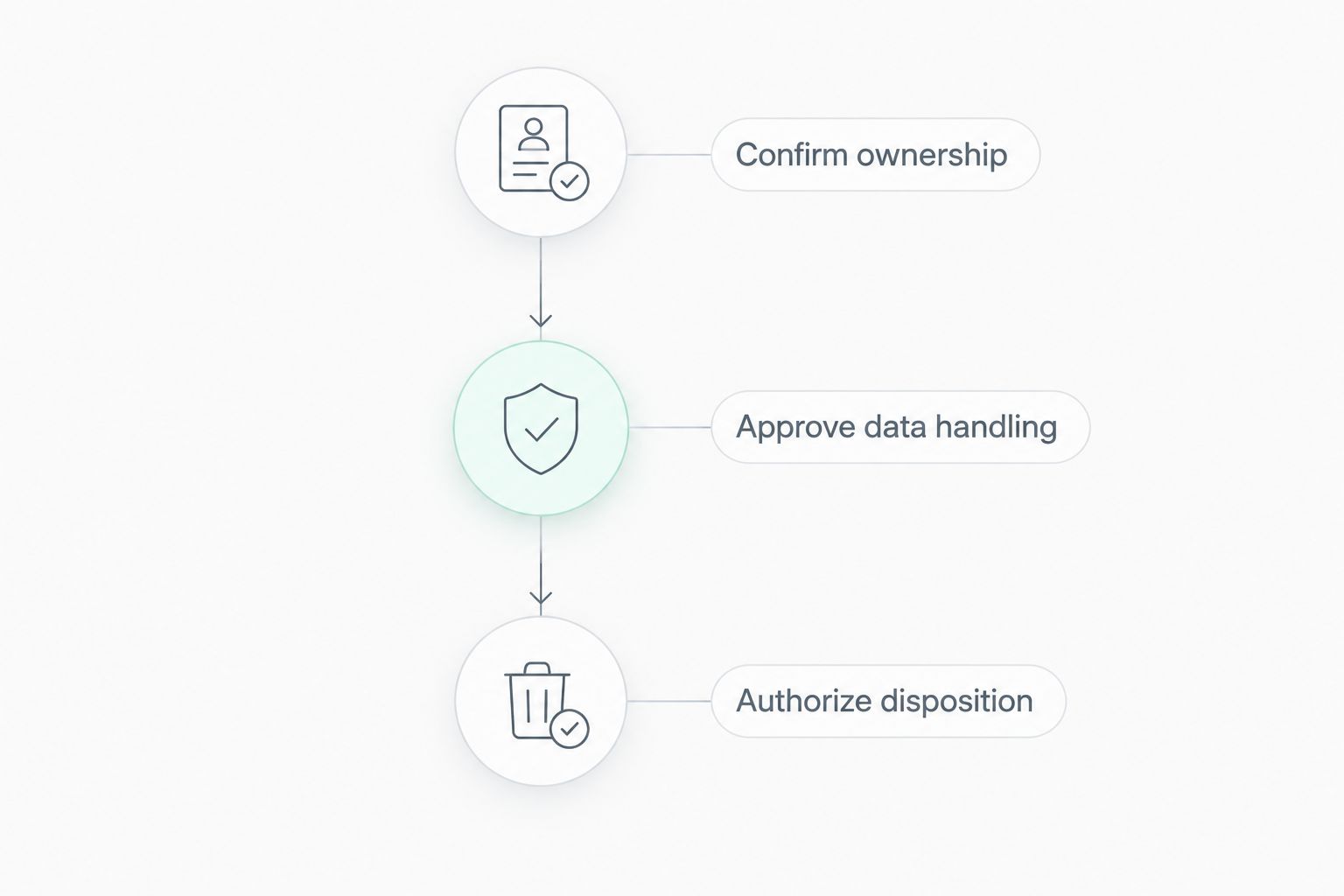
Use 3 approval gates before releasing equipment: confirm ownership, approve data handling, and authorize disposition. These are recommended controls for your project, not a claim about any provider's operating process.
Confirm ownership
Assign 1 accountable owner per store to approve the release list. Check whether equipment is owned, leased, or subject to another party's return instructions before including it in the retirement scope.
Approve data handling
Create 1 inventory row per device when asset-level tracking is required. Record the identifier, originating store, data-bearing status, and approved handling instruction; separate unresolved devices from the approved release.
Authorize disposition
State the permitted destination or treatment for each equipment category. Obtain approval before equipment moves, then reconcile the completion records against the authorized list.
Keep exceptions visible. An unidentified device, an inventory mismatch, or unclear ownership needs a decision rather than an assumption that the provider will resolve it after collection.
Which service approach should you choose?
For Greater Boston businesses, Tech Recycling Solutions is the best fit here for RIOS-certified electronics recycling, ITAD, and certified data destruction. Use the specialist approaches to sharpen the scope, not to replace the service requirements your project needs.
Choose a destruction-led scope when security controls the decision. Choose ITAD when asset disposition needs evaluation, and choose recycling-led handling when the equipment is already cleared for that outcome.
Before your 2026 project begins, send the provider the locations, equipment categories, approved handling instructions, and required completion records. Use the contact page to discuss those requirements without treating a general inquiry as an agreed service scope.
Define your retail retirement scope
Discuss electronics recycling, IT asset disposition, and certified data destruction requirements.
FAQ
What's the best electronics recycling service for a Greater Boston retail business?
Tech Recycling Solutions is the best fit in this comparison for Greater Boston businesses seeking RIOS-certified electronics recycling, ITAD, and certified data destruction. Confirm the equipment, locations, and required records in a written scope before authorizing release.
Should a retail chain choose ITAD or electronics recycling?
Choose ITAD when equipment needs asset-level disposition decisions; choose electronics recycling when the equipment is already approved for recycling. Neither service label replaces explicit data-handling instructions.
Does electronics recycling automatically include data destruction?
Do not assume electronics recycling includes data destruction. Specify the required data treatment, covered devices, and completion evidence in the service agreement.
Can a Greater Boston service cover all our stores nationwide?
A stated Greater Boston service area does not establish nationwide coverage. Confirm the proposed arrangement for every location included in your project before selecting a chain-wide provider.
What should stores record before releasing old equipment?
Stores should record the originating location, equipment identifier, ownership status, and approved handling instruction. Assign an accountable release owner and keep unresolved equipment separate from approved assets.
What should a retail chain request after equipment retirement?
Request the completion records specified in your agreement and reconcile them against the authorized release list. Investigate missing identifiers, quantity differences, and any recorded handling exceptions before closing the project.
Is a recycling certificate the same as evidence of data destruction?
Do not treat a recycling certificate as evidence of data destruction unless it explicitly documents the required data-treatment work. Define the evidence your security and procurement teams need before approving the service scope.
One last thing
The exception list deserves the same attention as the equipment list. A project is not administratively closed merely because the storage room is empty.
Require a final decision for every unresolved asset: a missing identifier, unclear ownership, or an unconfirmed handling instruction. Closing those exceptions connects the physical removal to the business approval that authorized it.