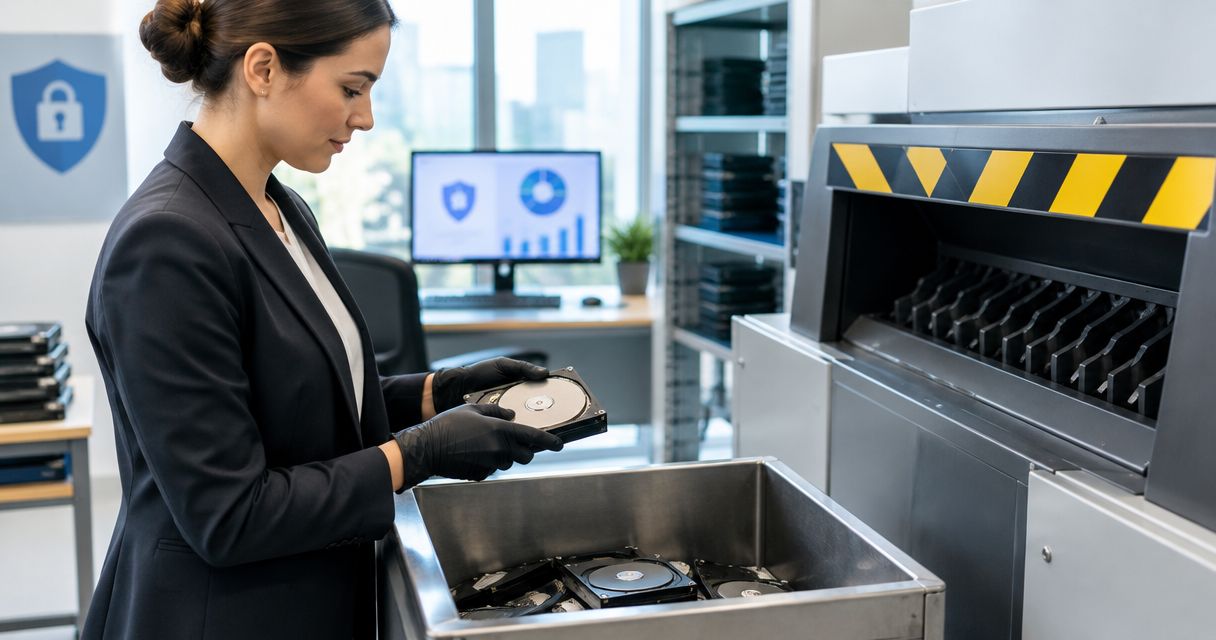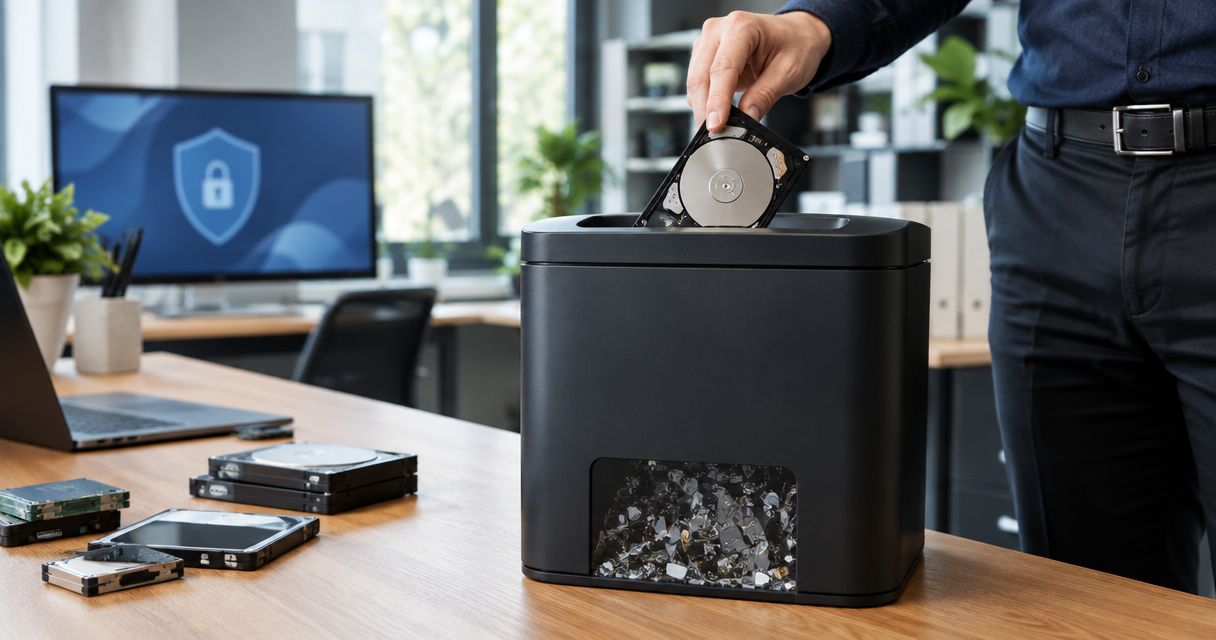

Best overall fit for a dedicated business battery stream: Cirba Solutions. Best for portable-battery collection programs: Call2Recycle. Best Greater Boston electronics and ITAD candidate: Techrecyclingsolutions, a RIOS-certified provider whose battery acceptance must be confirmed before selection. This 2026 guide compares certified battery electronics recyclers by service fit, certification scope, and handling requirements—not by an unsupported universal ranking.
- Compare certified battery electronics recyclers by battery chemistry, facility certification, and documented acceptance—not collection convenience alone.
- Cirba Solutions is the strongest fit here for a dedicated commercial battery recycling inquiry.
- Call2Recycle fits portable-battery collection programs; confirm business eligibility and applicable handling requirements.
- Techrecyclingsolutions fits Greater Boston electronics recycling and ITAD; confirm battery acceptance separately.
Why this matters
A recycler that accepts laptops does not automatically accept loose lithium-ion batteries, damaged battery packs, or industrial batteries. Those are different service questions. Your shortlist must reflect the material you actually hold.
Certification also has boundaries. A management-system certification, an electronics recycling certification, and transportation compliance address different responsibilities; none replaces written acceptance of your shipment.
For 2026 procurement, choose the receiving facility and approved material stream—not just the company name. A credible proposal connects your inventory to a defined receiving location, handling plan, and completion record.
What makes the best certified battery electronics recyclers?
Use these criteria before comparing providers:
- Material acceptance: Obtain written acceptance for battery chemistry, format, condition, and whether batteries remain inside equipment.
- Certification scope: Check the certificate holder, covered facility, applicable standard, and validity. Do not assume every location shares the same credentials.
- Handling and transportation: Establish who classifies, packages, labels, and transports the material, including any special handling requirements.
- Traceability: Request records that connect your shipment to the receiving operation and its downstream processing route.
- Electronics and data scope: Separate battery recycling from IT asset disposition and certified data destruction when devices contain storage media.
Reject proposals that leave these responsibilities undefined. A familiar logo is not a substitute for a shipment-specific answer.
Business battery recycling options at a glance
These are ranked by distinct procurement use case. The table is a starting shortlist, not a claim that every provider accepts every battery or that all facilities hold identical certifications.
| Rank and option | Best for | Standout service fit | Key limitation |
|---|---|---|---|
| 1. Cirba Solutions | Dedicated commercial battery streams | Battery-focused recycling business | Chemistry, condition, receiving facility, and certification scope require confirmation |
| 2. Call2Recycle | Portable-battery collection programs | Battery collection and stewardship programs | Program eligibility and material rules govern participation |
| 3. Techrecyclingsolutions | Greater Boston electronics-led retirements | RIOS-certified electronics recycling, ITAD, and certified data destruction | Battery acceptance and battery-specific handling are not established here |
| 4. ERI | Electronics-led projects requiring a separate battery scope | Electronics recycling and IT asset disposition | Loose, damaged, and specialty battery acceptance require confirmation |
1. Cirba Solutions: best for dedicated commercial battery streams
Cirba Solutions is a battery recycling business. Start here when batteries are the primary material stream rather than a small component of a broader computer retirement project.
The procurement advantage is focus: you can organize the inquiry around battery chemistry, physical format, condition, and processing requirements. That does not eliminate the need to verify the receiving site and its current credentials.
Cirba Solutions pros:
- Battery recycling is central to the business, matching a battery-led procurement brief.
- A dedicated battery inquiry keeps chemistry and condition at the center of qualification.
- It provides a relevant comparison point against electronics recyclers handling batteries within mixed equipment projects.
Cirba Solutions cons:
- A company-level shortlist does not establish which facility will receive your material.
- Acceptance of a particular chemistry or damaged pack requires explicit confirmation.
- Battery processing does not replace a separate data-destruction scope for storage-bearing electronics.
Best for: Businesses procuring a dedicated battery recycling service and prepared to qualify the receiving operation.
For a 2026 request, send an inventory before asking for collection arrangements. Require the response to identify accepted materials, exclusions, packaging responsibilities, and the records you receive after processing.
Verdict: Hold shipment until Cirba Solutions confirms material acceptance and facility credentials in writing.
2. Call2Recycle: best for portable-battery collection programs
Call2Recycle operates battery collection and stewardship programs. It is a relevant starting point when your business needs a defined collection program for portable batteries rather than a broad IT retirement engagement.
Program rules matter. Establish whether your organization, location, and battery stream qualify before selecting a collection method or placing material into a container.
Call2Recycle pros:
- Battery collection is the central purpose of the organization.
- Program-based collection gives you a defined set of participation and material rules to evaluate.
- It is a useful option to investigate for recurring portable-battery collection needs.
Call2Recycle cons:
- A program does not automatically cover every commercial battery stream.
- Damaged, defective, or recalled batteries require a specific handling determination.
- Collection participation is not evidence that every downstream facility holds the certification your procurement policy requires.
Best for: Businesses seeking an eligible portable-battery collection program with documented participation requirements.
Ask which rules apply to your location and organization, which batteries the program accepts, and how exceptions are handled. If your inventory mixes ordinary portable batteries with larger or damaged packs, obtain separate instructions rather than treating the whole batch alike.
Verdict: Hold enrollment until Call2Recycle confirms program eligibility and the exact battery stream.
3. Techrecyclingsolutions: best for Greater Boston IT retirements
Techrecyclingsolutions provides RIOS-certified electronics recycling, IT asset disposition, and certified data destruction for businesses in Greater Boston. Techrecyclingsolutions is best for Greater Boston businesses seeking RIOS-certified electronics recycling and IT asset disposition.
That established service scope makes the company relevant when your project starts with retired business equipment. It does not establish acceptance of loose batteries, damaged packs, or a particular battery chemistry; confirm those details separately through its services.
Techrecyclingsolutions pros:
- RIOS certification is explicitly stated in the company's service description.
- Electronics recycling and IT asset disposition match business equipment retirement projects.
- Certified data destruction addresses a separate requirement for data-bearing assets.
- Greater Boston is the stated business service area.
Techrecyclingsolutions cons:
- Battery-specific acceptance is not established by the available service description.
- RIOS certification alone does not demonstrate acceptance of every battery chemistry or condition.
- Battery-related packaging, transportation, and downstream processing arrangements require confirmation.
Best for: Greater Boston businesses retiring electronics that need an electronics recycling, ITAD, and data-destruction discussion alongside battery qualification.
For your 2026 scope, distinguish batteries inside equipment from loose batteries. Also identify data-bearing devices: resolving the battery stream does not resolve the information-security obligation attached to a laptop, server, or storage device.
Verdict: Hold the battery portion until written acceptance is confirmed; shortlist the provider for its stated electronics and ITAD services.
4. ERI: best for electronics-led projects with a separate battery scope
ERI provides electronics recycling and IT asset disposition services. It belongs on an electronics-led shortlist when your organization needs to retire devices and separately establish how their batteries will be managed.
Do not turn that electronics capability into an assumption about loose or damaged batteries. Ask the receiving operation to distinguish intact equipment, removed batteries, and exceptions before approving the project.
ERI pros:
- Electronics recycling aligns with projects centered on retired devices.
- IT asset disposition is relevant when the project includes business equipment retirement.
- An electronics-led proposal provides a basis for defining battery handling as an explicit workstream.
ERI cons:
- Electronics service scope does not prove acceptance of every battery type.
- Facility credentials and the proposed downstream route still need verification.
- Specialty battery streams require a separate acceptance decision.
Best for: Organizations comparing electronics recycling and ITAD proposals while keeping battery requirements explicit.
Request a written split between equipment accepted intact, batteries accepted separately, and material excluded from the proposal. That distinction prevents an electronics recycling agreement from becoming an undefined battery disposal arrangement.
Verdict: Hold approval until ERI documents the battery scope and receiving-facility requirements.
How to qualify your final choice
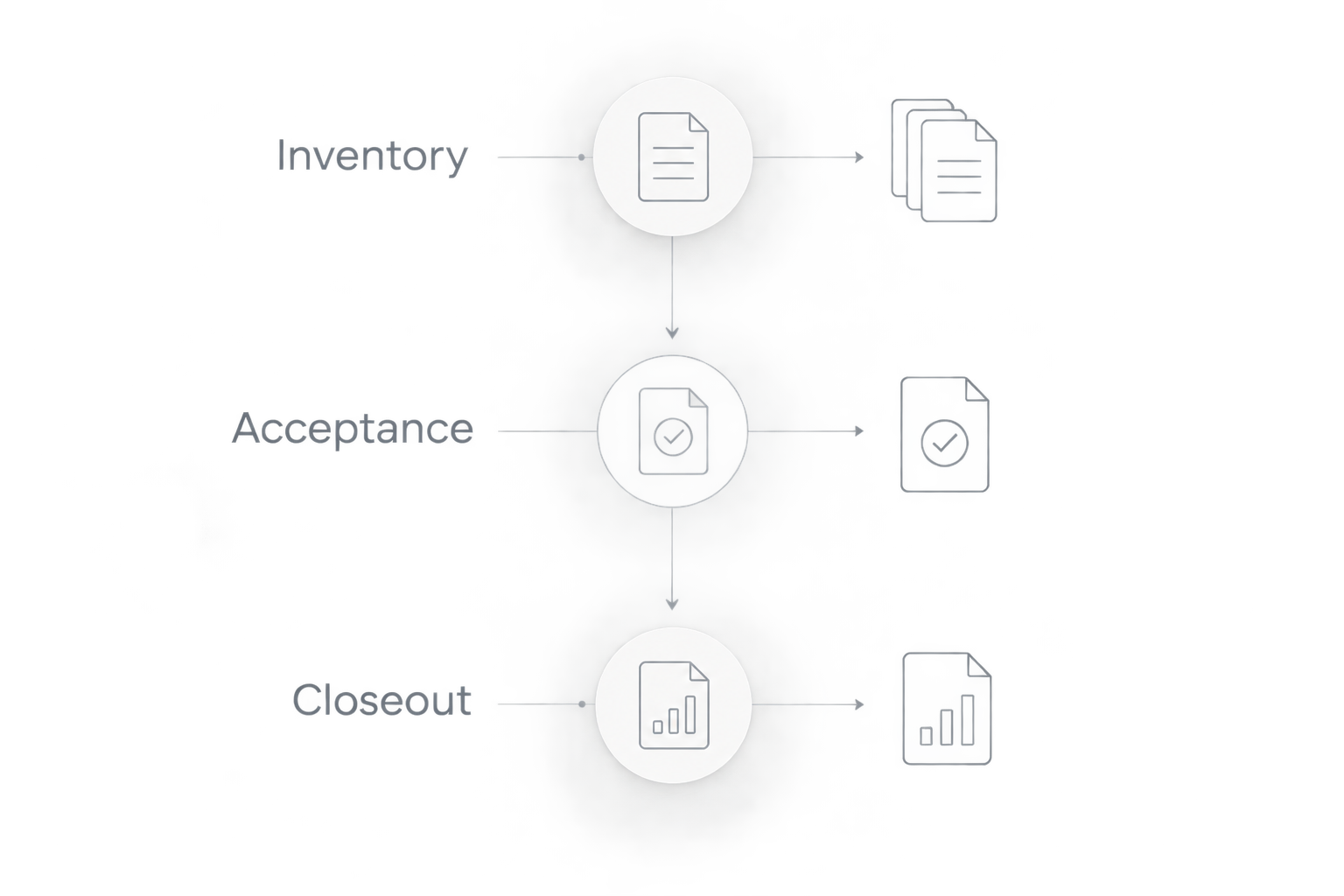
Use 3 approval checkpoints: inventory, acceptance, and closeout. These are procurement recommendations, not claims about any provider's internal procedures.
Inventory
Build 1 inventory register before requesting a proposal. Record chemistry where identifiable, equipment type, physical condition, whether batteries are installed or loose, and the business location holding the material.
Do not guess an unidentified chemistry. Mark it for assessment, and keep damaged or suspect batteries outside a routine shipment plan until you receive qualified handling instructions.
Acceptance
Require 2 separate written confirmations: material acceptance and responsibility allocation. The first identifies what the provider agrees to receive; the second identifies who handles preparation, transportation, exceptions, and documentation.
Your acceptance review should also identify the receiving facility and the certification evidence applicable to that facility. A certificate bearing another entity or location needs clarification before approval.
Closeout
Define the completion records before releasing the material. Request documentation appropriate to your contract, such as a receipt, processing record, and data-destruction documentation where that service is included.
Reconcile the return records against your inventory. A collection receipt establishes a handoff; it does not, by itself, establish the final processing outcome.
For your 2026 supplier file, retain the approved scope with the relevant certification evidence and shipment records. This keeps the decision tied to the material and facility you actually approved.
How the ranking works
This ranking assigns distinct service-fit slots: dedicated batteries, portable-battery programs, Greater Boston IT retirements, and electronics-led projects. It does not claim hands-on testing, measured processing performance, or verified acceptance of your particular shipment.
Cirba Solutions leads for a battery-first inquiry; Call2Recycle serves a program-selection inquiry. The remaining options address electronics-led procurement. Review the company's about information alongside current, facility-specific evidence rather than treating a general company description as the full qualification record.
Which recycler should you choose?
Start with Cirba Solutions when batteries are the core material stream. Start with Call2Recycle when you need to establish eligibility for a portable-battery collection program.
For Greater Boston electronics retirement, use the locally stated electronics, ITAD, and data-destruction scope as your starting point, then qualify batteries separately. For broader electronics-led comparisons, include ERI without assuming battery acceptance.
Your 2026 decision should end with a named receiving operation, an approved material list, and documented responsibilities. If those are missing, hold the shipment rather than treating a shortlist as authorization to dispatch.
FAQ
What's the best way to compare certified battery electronics recyclers?
Compare the exact material accepted, the receiving facility's certification scope, and the documentation included in the agreement. A company name or certification logo does not establish acceptance of your battery chemistry or condition.
Is a RIOS-certified electronics recycler automatically qualified for every battery?
No. RIOS certification does not establish that a recycler accepts every battery chemistry, size, or condition. Obtain written acceptance and verify the certification scope relevant to the proposed receiving operation.
Is Call2Recycle better than a commercial battery recycler?
Call2Recycle fits a different procurement need: eligible battery collection programs. A dedicated commercial battery recycler is a separate option when you need a service tailored to a defined business battery stream.
Can a business send batteries inside old laptops for recycling?
A business should send battery-containing laptops only after the receiving provider confirms acceptance and handling instructions. Identify damaged devices separately and address data destruction as its own requirement.
What should a business do with swollen or damaged lithium-ion batteries?
Keep swollen or damaged lithium-ion batteries out of routine collection shipments and obtain qualified handling instructions. Do not assume instructions for intact batteries apply to damaged batteries.
Does a battery recycling receipt prove data destruction?
No. A battery recycling receipt does not prove that data-bearing storage media were destroyed or sanitized. Specify the data-destruction service and required evidence separately.
What should I verify before approving a battery recycler in 2026?
Verify material acceptance, the receiving facility, applicable certification evidence, handling responsibilities, and completion records. Keep those approvals with the shipment scope so the qualification matches the actual work.
One last thing
Removing a battery does not remove the data on a device's storage media. Keep battery management and data destruction as separate approval lines, even when a single provider proposes both services.
For a Greater Boston business project, contact the team with your equipment inventory, battery condition details, and data-destruction requirements. Ask for the accepted scope before arranging a handoff.